
Evolving static content to interactive modules to boost user engagement and well-being outcomes
Led efforts to create interactive content modalities
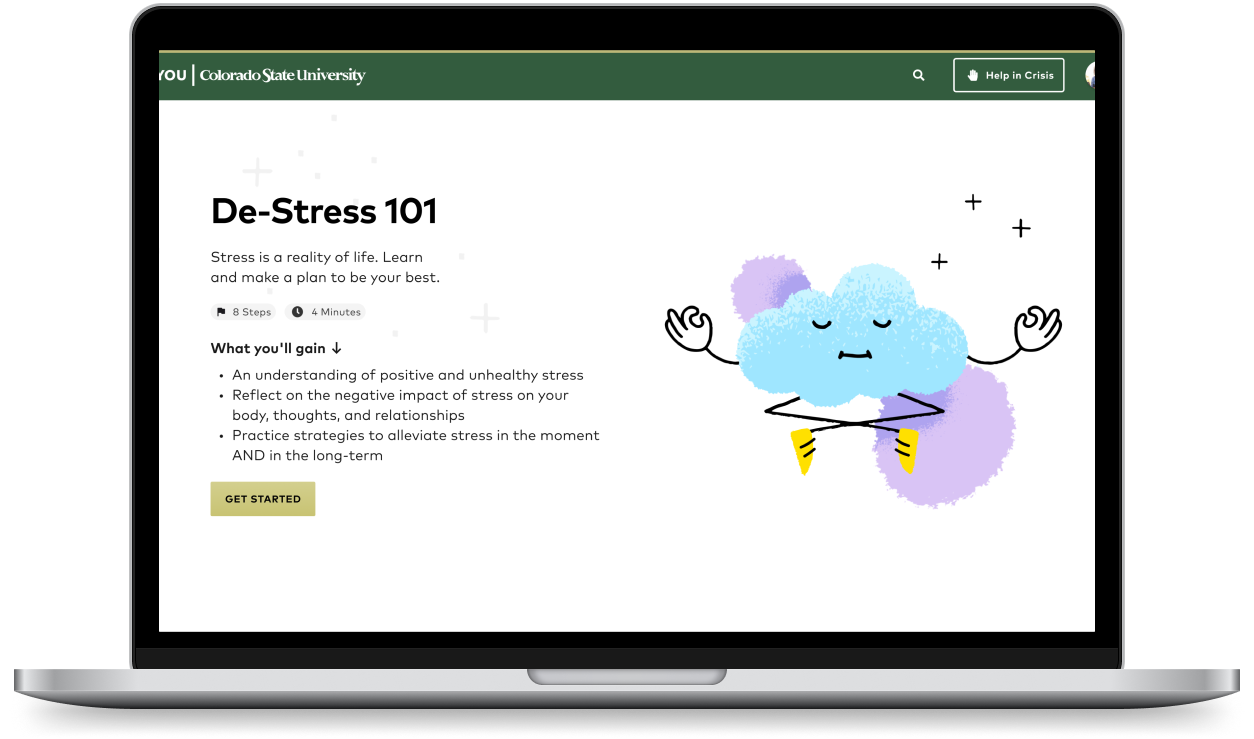
Project Details
My Role
Provided the learning strategy and well-being SME for a new interactive content module. Collaborated with UX researcher, design, developer, product managers, and company leadership.
My Contributions
Lead content designer for new interactive module product feature (wireframing, prototyping, and testing)
Collaborated with UX researcher to deliver a testing plan for a new interactive content module feature reaching 700+ end-users, leading to three key insights which informed future content design iterations
Led final prototyping testing plan for interactive module with users resulting in critical decisions and UX copy changes for final development requirements and implementation
Project Timeline
6 months
Spring to Fall 2023
Process and key outcomes of
interactive modules project ↓


The Process:
Paper Wireframes
Content Design
Digital Wireframes
Low-Fidelity Wireframes
User Testing and Feedback
Content Iterations
Final Prototype
Prototype Testing
Requirements and Launch
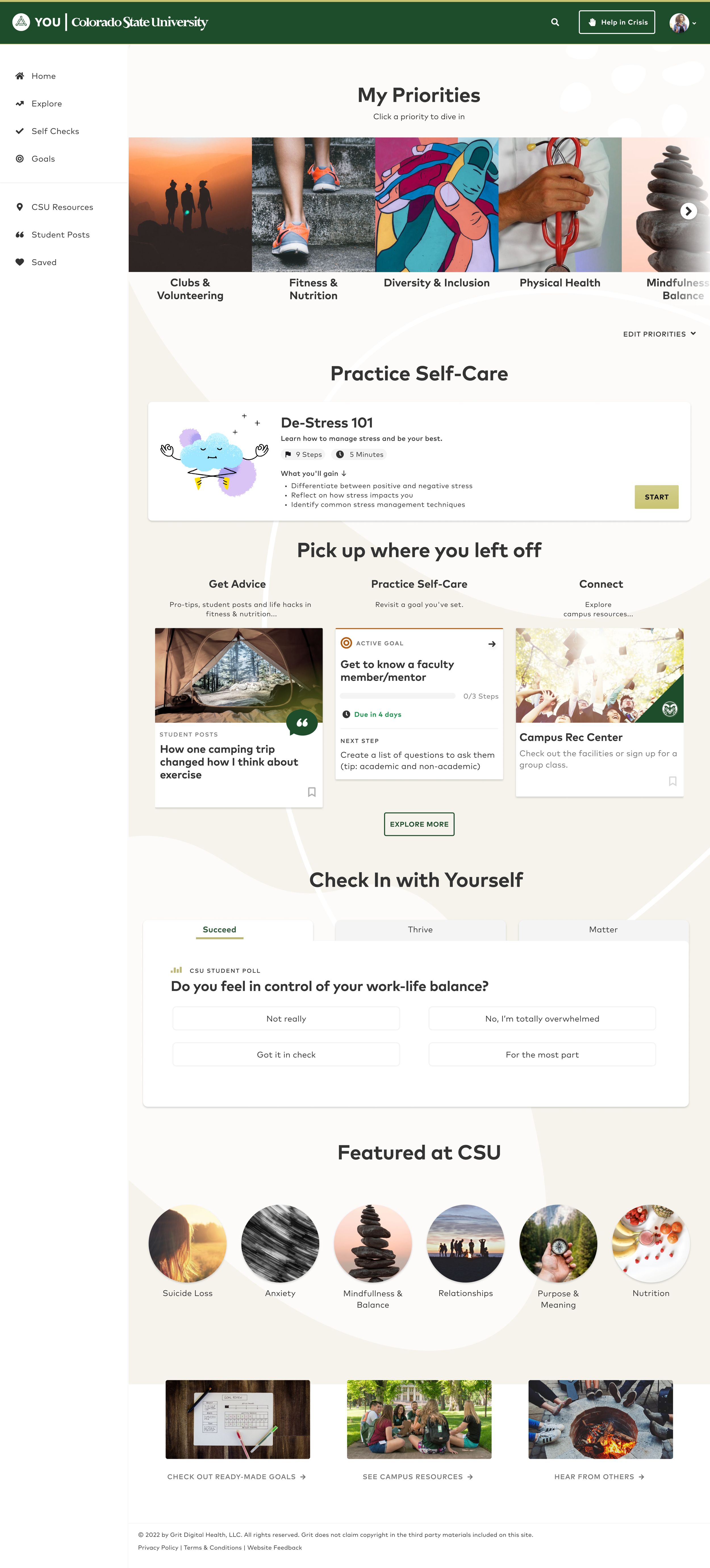

Promoting enhanced content engagement and learning outcomes through interactive content module development
Paper Wireframes
Adapt static skill content copy into a module learning experience for the user
UX Activities
User Flows
User Journeys
Information Architecture
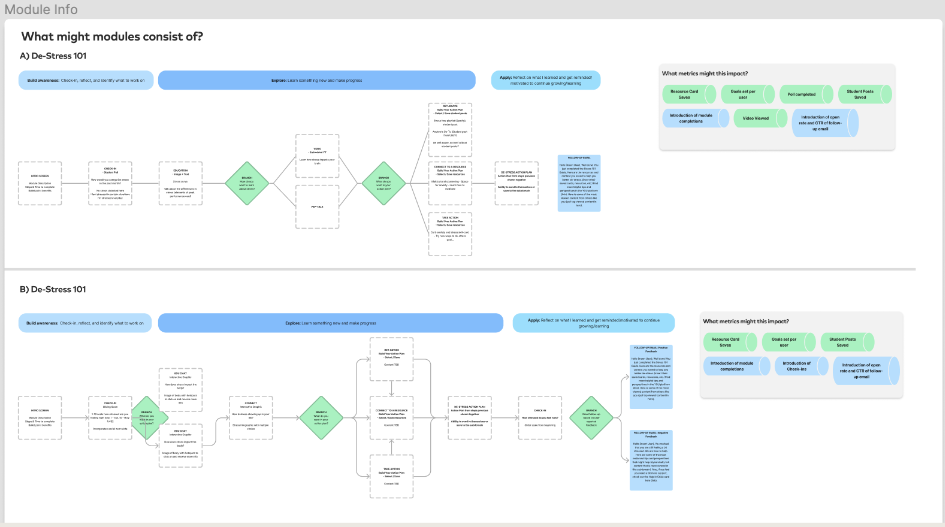
Content Design and Digital Wireframes
Test two interactive module types with varying content structures
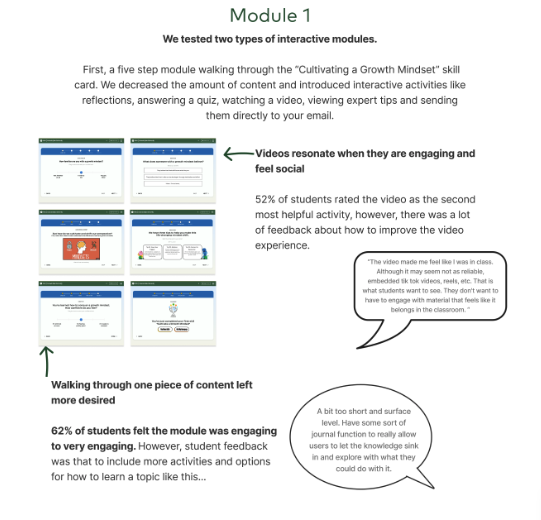
Key collaborator: Alex Steele, Product Designer
Low-Fidelity Prototypes
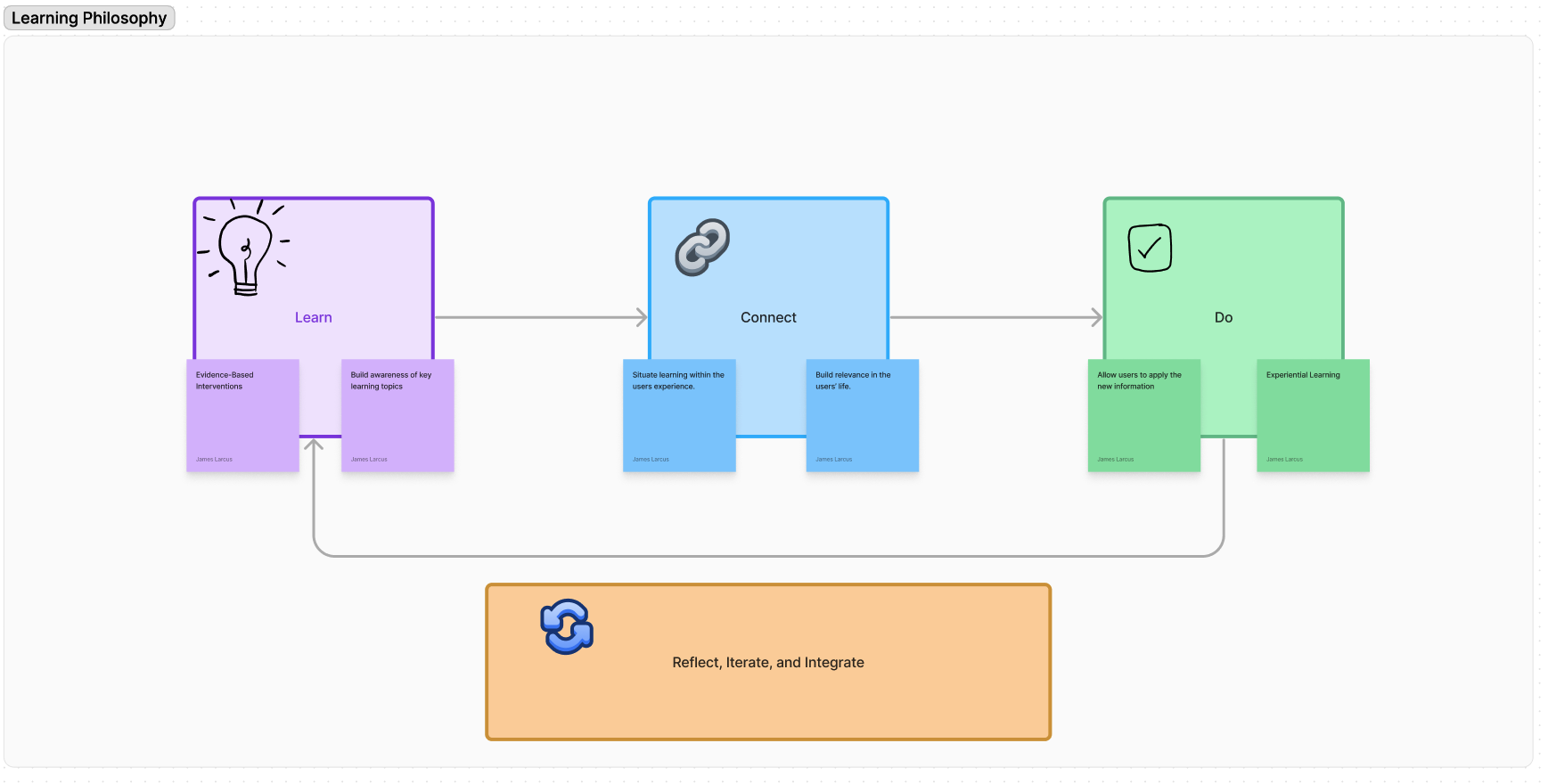
Cemented mental model and learning modalities based on initial user research to create a low-fidelity prototype. Garnered alignment from company leadership, development team, and designers to proceed with next steps.
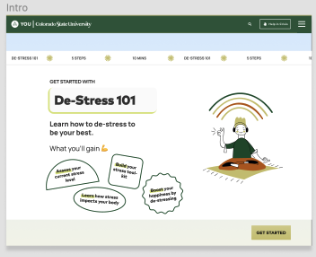
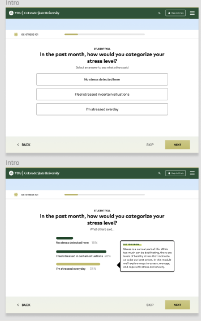
Key collaborator: Alex Steele, Product Designer
Of content views were Skill Cards
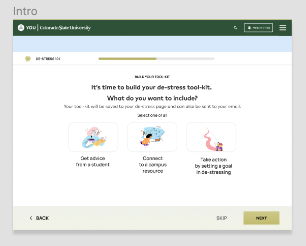
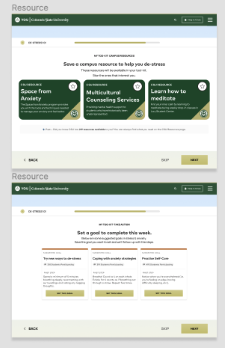
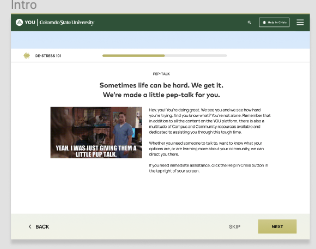
User Testing and Feedback
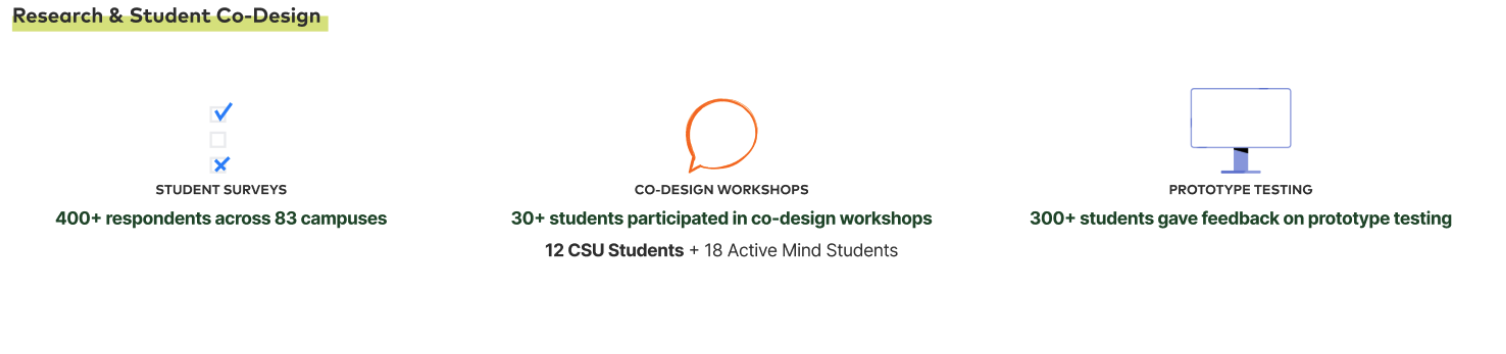
Three Key Research Insights
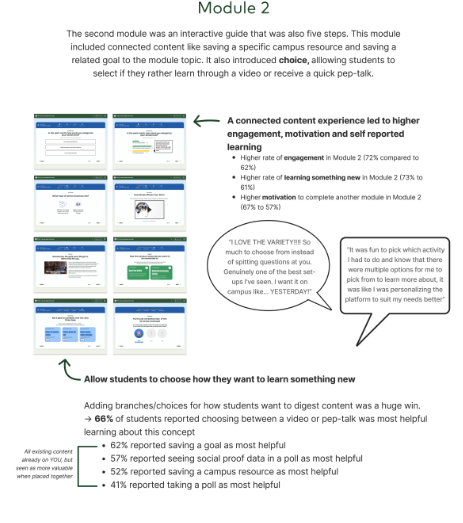
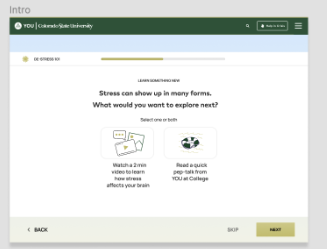
Giving users the choice of how they want to work and make progress is empowering and helpful.
Content on YOU is more desirable and actionable for users to work through when connected to the user experience.
Progress tracking and personalization increases motivation and commitment to continue utilization.
Content Iterations
Key Research Finding #1:
Giving users the choice of how they want to work and make progress is empowering and helpful.
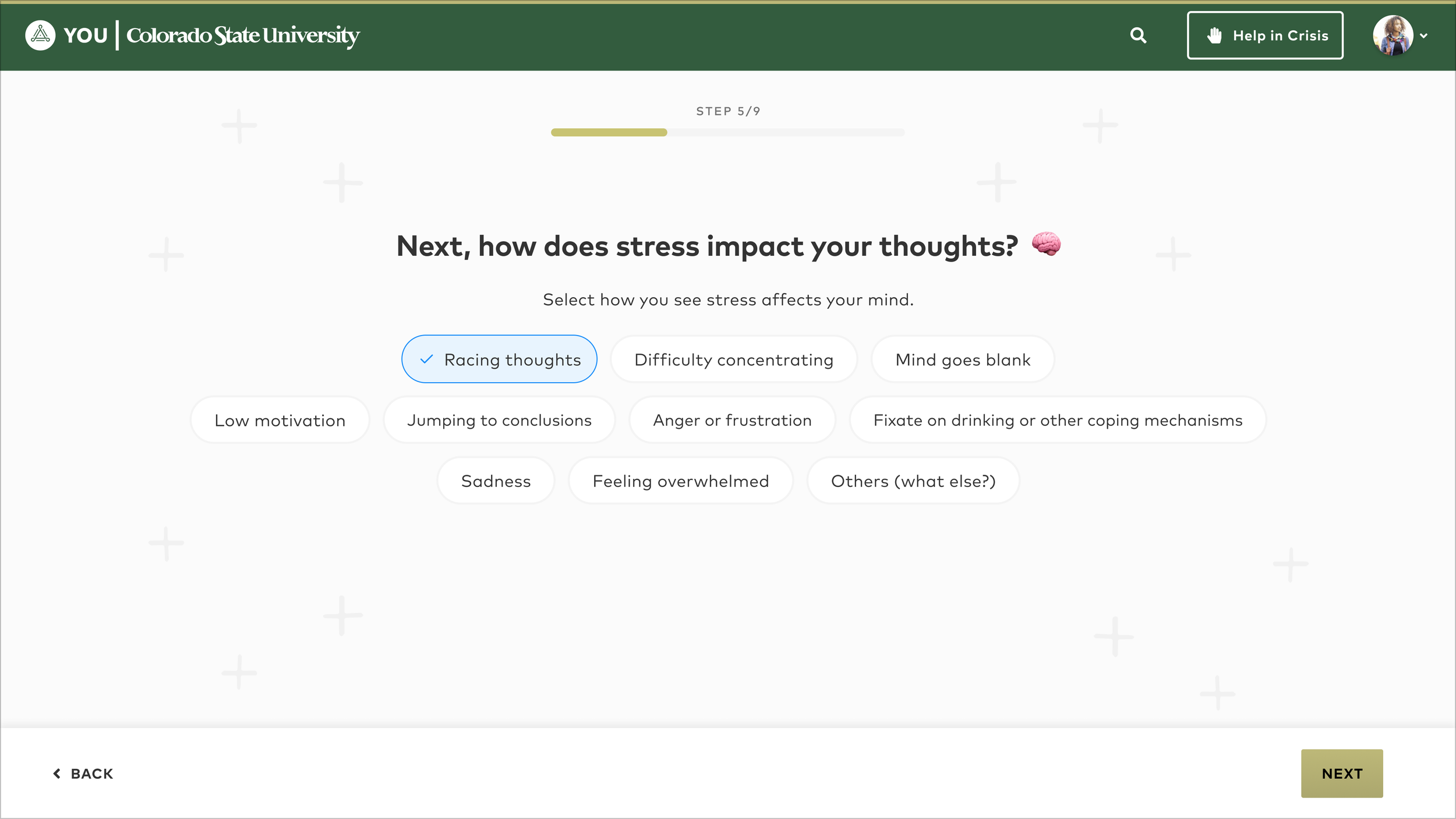
Allow users to reflect on stress in their life and to inform evidence-based exercise to practice in the module
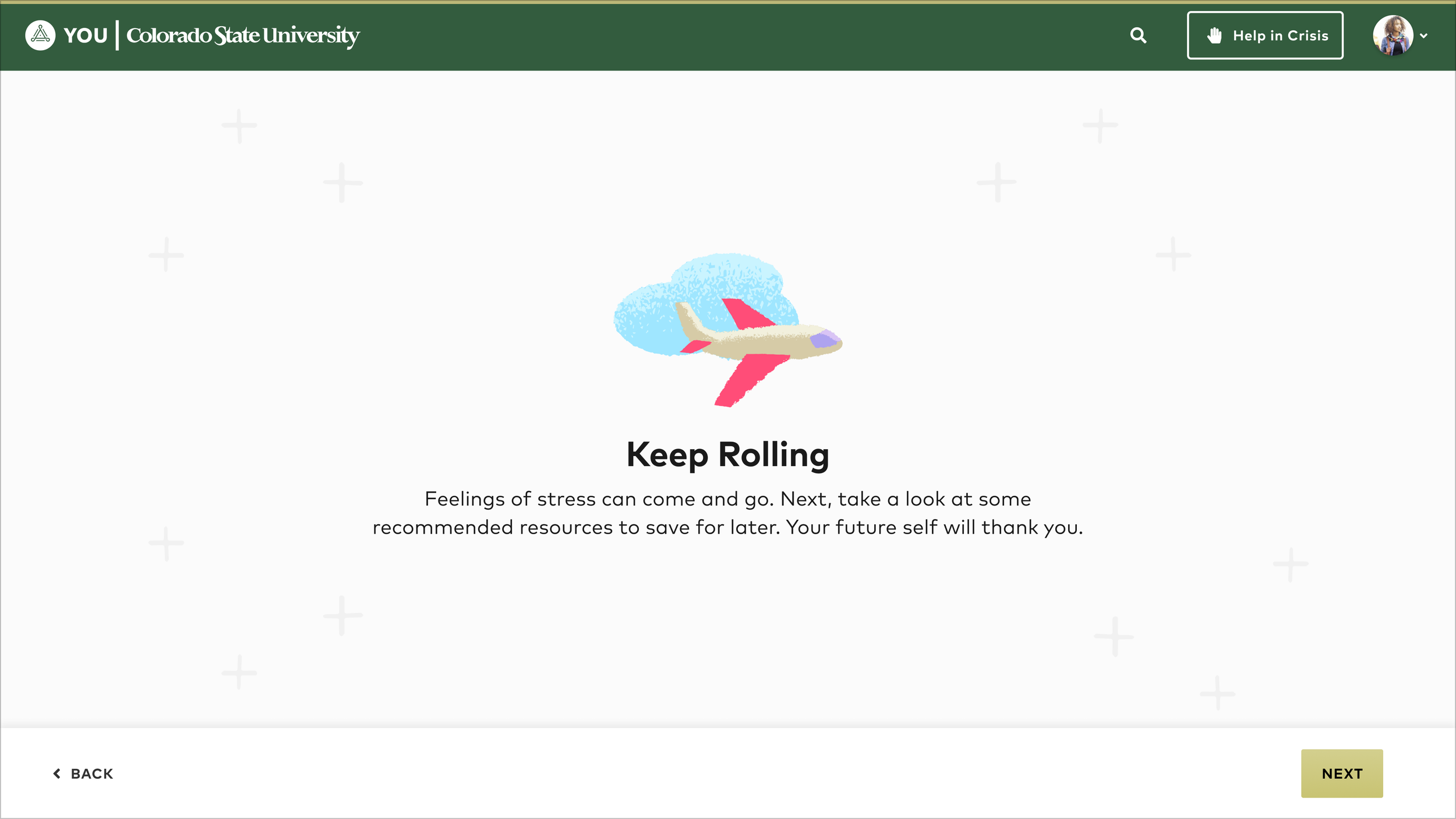
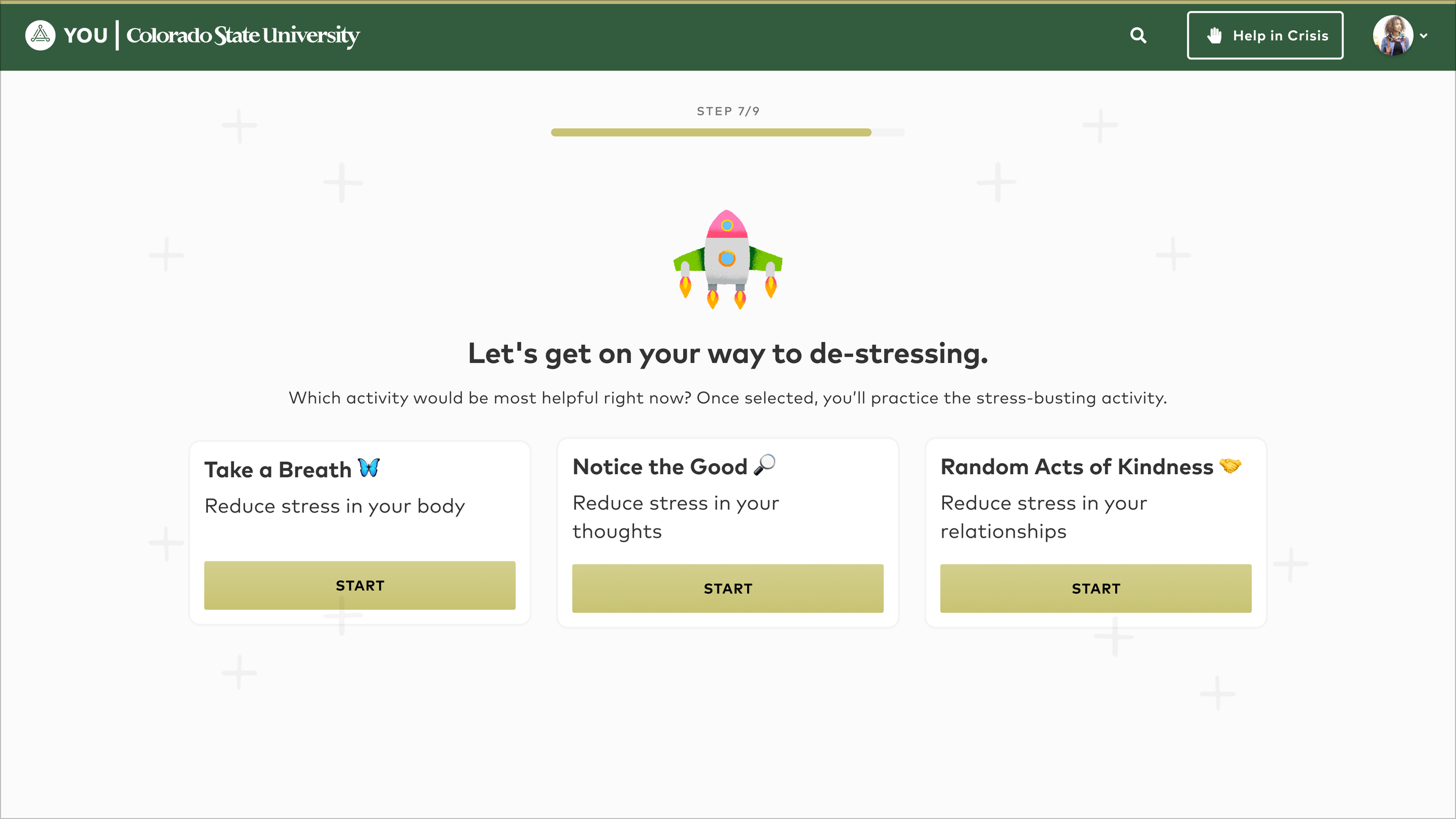
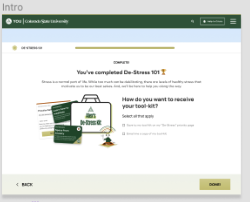
Give users the choice of three evidence-based stress management techniques
Key Research Finding #2:
Content on YOU is more desirable and actionable for users to work through when connected to the user experience.
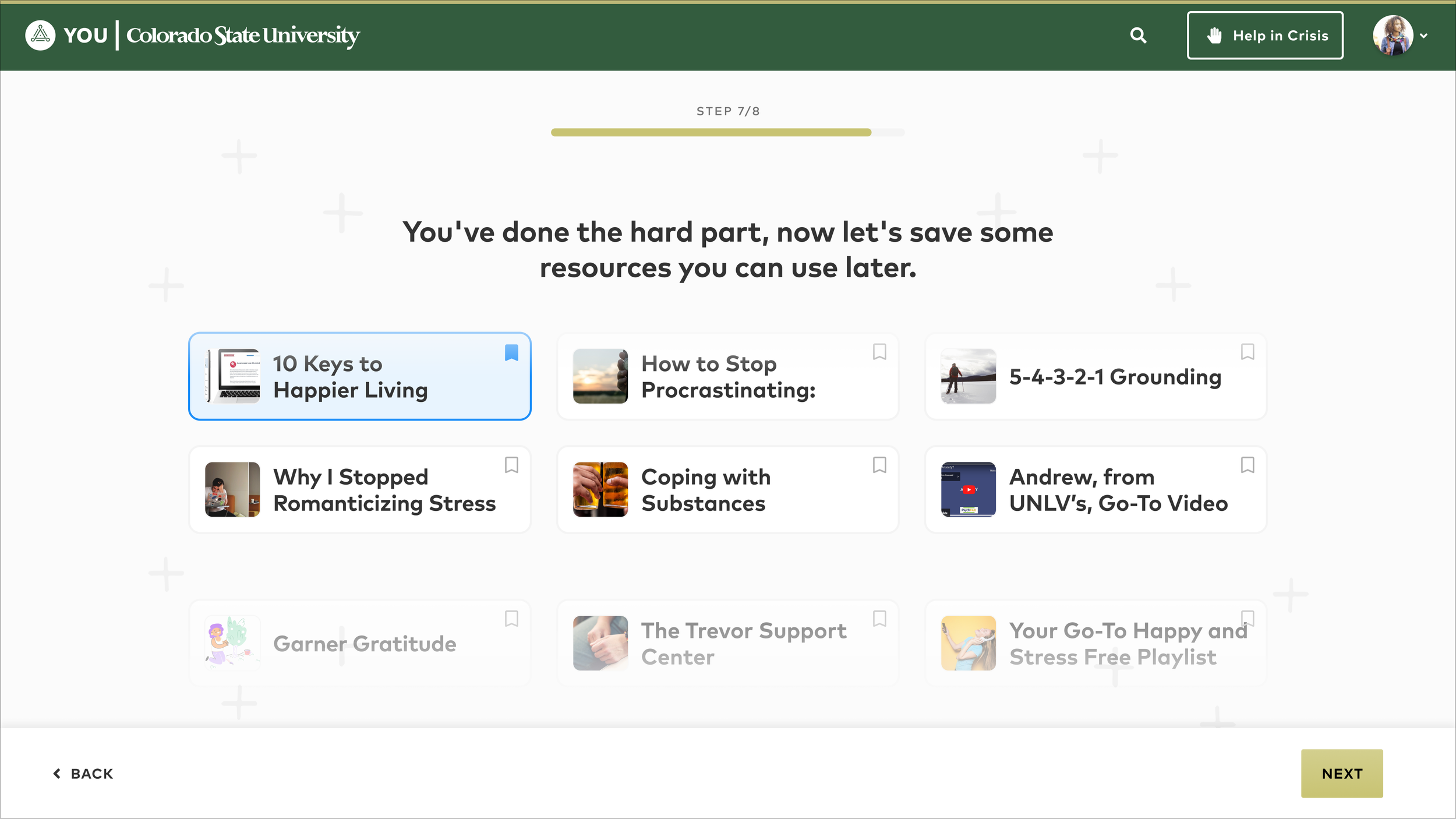
Increase user engagement and utilization of platform through connected content experiences
Key Research Finding #3:
Progress tracking and personalization increases motivation and commitment to continue utilization.

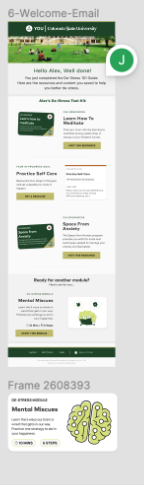
Affirmations and progress tracking support user progression and completion
Final Prototype
Learn 💡
Final Prototype Testing
Connect 🔗
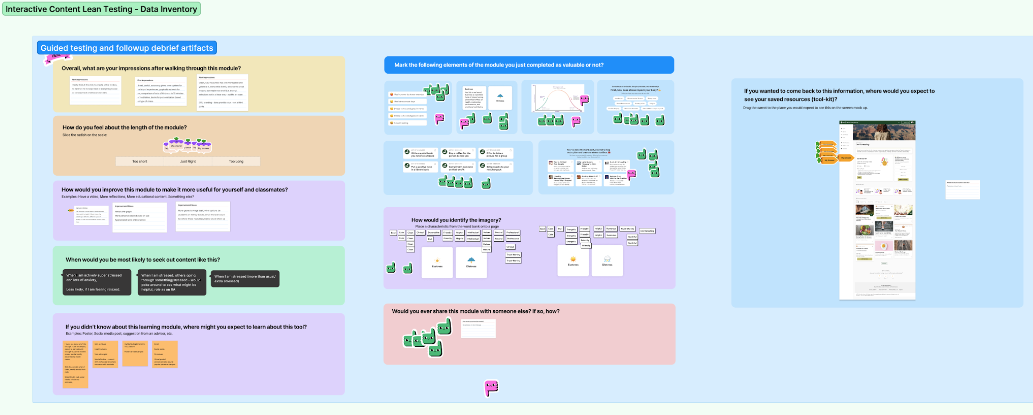
Led prototype testing session with six users
Do ✅
Iterations Based on User Feedback
Learning Design:
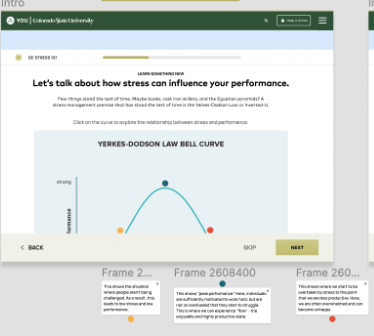
Modify the “learn phase” to decrease confusion about the eustress/distress concept (inverted U stress curve)
Align random acts of kindness with other well-being interventions to reflect ”in the now.”
Provide affirmation nudges only when a user completes a task (reflect, choosing an option, practicing an intervention).
Adapt the “stress toolkit” concept to align more with user desires to “do something with this content.”
Content Design
More explicitly connect other well-being topics (substance use, sleep, etc.) to the ”chip” reflection exercise.
What I Learned
Well-being is individualized and personal: Create delightful moments of reflection with choices on how users want to engage with their health and wellness.
Collaborate early and often. Include key stakeholders early on in the process. Ensure the development team is looped into early stages for feasibility and accessibility.
Pretty cool, huh? See how I supported a 0 to 1 product that promotes manager effectiveness at scale.